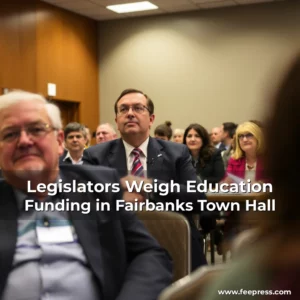
The Oregon Department of Education has been under scrutiny this session, with the state legislature debating various proposals aimed at improving student outcomes and addressing systemic issues in the K–12 education system.
Systemic Risks Identified
A 2022 report by the Oregon Department of Education identified five key risks that “could undermine K–12 system improvement.” These risks include:
- Improving performance monitoring and support to districts
- Greater transparency to the public
- Scrutinizing district spending
- Clearer enforceable standards for districts to follow
- A more streamlined governance structure
These risks were identified as a result of the state’s efforts to implement the 2019 Student Success Act, a corporate activities tax that boosted state education funding.
The Secretary of State’s Letter
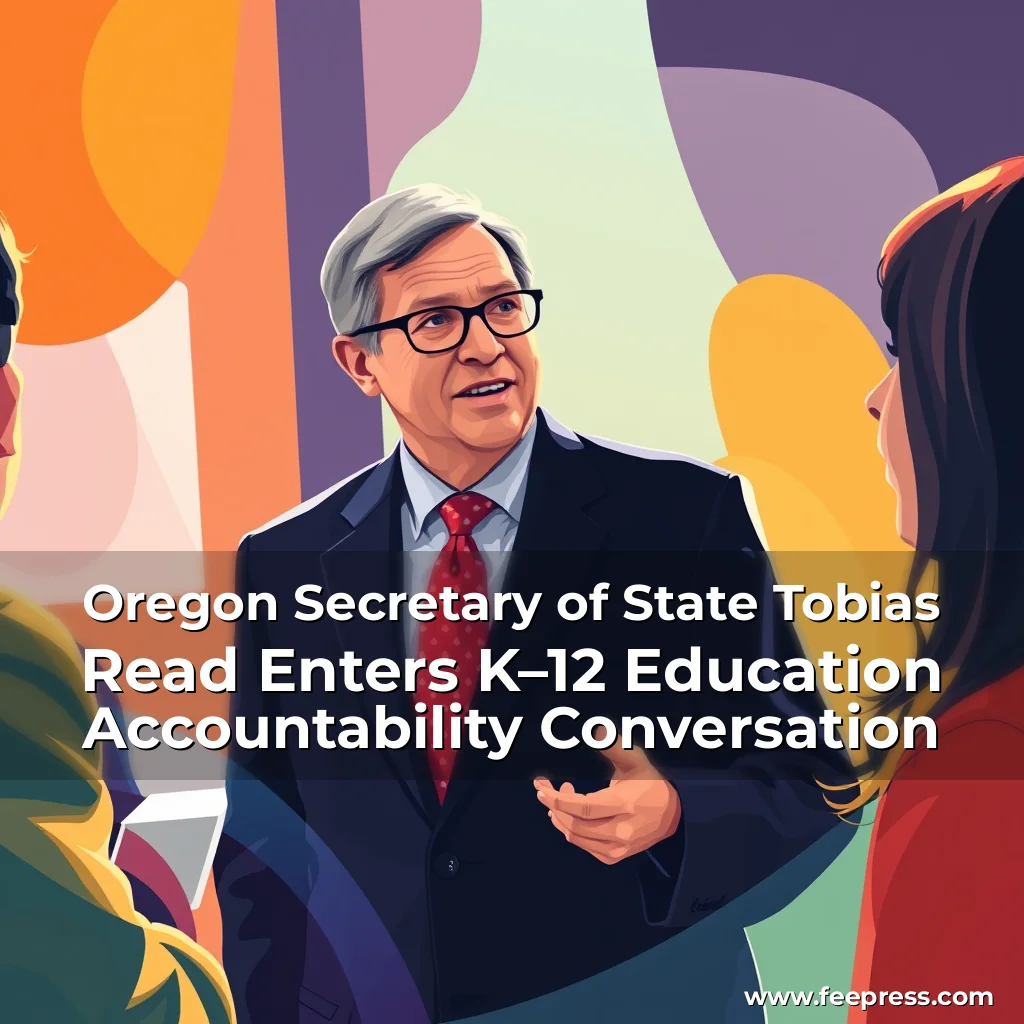
In a letter to the Oregon Department of Education, dated April 25, Oregon Secretary of State Tobias Read followed up on the 2022 systemic risk report. Read asked the department for an update on how it’s addressing these five risks. “The stakes for Oregon’s students, families, and future are high. Billions of taxpayer dollars are on the line. We have a responsibility to deliver results of which Oregonians can be proud,” Read wrote. “If these risks are left unaddressed, it could undermine K–12 system improvement.”
Read’s letter is seen as a proactive step in the debate over education accountability, with some viewing it as a sign of his growing interest in the issue.
Background on the Debate
The debate over education accountability has taken center stage in the Oregon legislature this session. A presentation by the Edunomics Lab at Georgetown University showed that while Oregon has spent significantly more on education since 2013, with large investments such as the corporate activities tax, its outcomes have declined. Oregon’s students rank dead last in fourth grade reading and mathematics nationwide when adjusted for demographics. The 2022 report recommended that the Oregon Department of Education take steps to address these systemic risks, including:
- Improving performance monitoring and support to districts
- Greater transparency to the public
- Scrutinizing district spending
- Clearer enforceable standards for districts to follow
- A more streamlined governance structure
These recommendations were made in response to the state’s efforts to implement the 2019 Student Success Act, which increased state education funding.
Response from Education Advocates
Whitney Grubbs, executive director of Foundations for a Better Oregon, an education accountability nonprofit, has previously stated that the 2022 report was a start to tackling broader questions about accountability in K–12 education. However, she believes that the scope of the report was too narrow. “The risks outlined in the secretary of state’s audit were always bigger than anything ODE could address on its own under current state law,” Grubbs said. “Instead of kicking the can down the road, I think Gov. Kotek and the Legislature have actually stepped up to the plate.”
Grubbs believes that the governor’s bills are helping to provide ODE with the clear authority and tools needed to address some of the risks outlined in the report.
Read’s Ambitions
Read’s foray into the debate could also signal greater political ambitions. As a former five-term lawmaker and two-term state treasurer, Read ran for governor and lost to Kotek in the primary in 2022. His letter to the Oregon Department of Education is seen as a proactive step in the debate, and could be a sign of his growing interest in the issue.
Response from the Department of Education
The Oregon Department of Education has stated that it is currently preparing an official response to Read’s letter. Liz Merah, spokeswoman for ODE, said that the department is working to address the systemic risks identified in the report. “The Oregon Department of Education is committed to improving student outcomes and addressing systemic issues in the K–12 education system,” Merah said.
Expert Opinion
Dr. Christine Pitts, an education policy expert and Oregon education advocate, believes that Read’s letter could be a turning point for Oregon accountability. She says that the Oregon Department of Education should use this opportunity to “align spending with results and finally hold the system to a higher bar.”
“We invested more money through the SSA and spent federal relief dollars,” Pitts said. “But with the outcomes still flat or dropping, it just makes sense to ask whether ODE has created an action plan and followed through on the audit.”
“The Oregon Department of Education is at a critical juncture in its history. It must take bold action to address the systemic risks identified in the report and ensure that Oregon’s students receive the education they deserve.”
Conclusion
Read’s letter to the Oregon Department of Education is a proactive step in the debate over education accountability. While the state legislature continues to debate various proposals aimed at improving student outcomes and addressing systemic issues in the K–12 education system, Read’s letter highlights the need for greater accountability and transparency in the education system. The Oregon Department of Education must use this opportunity to address the systemic risks identified in the report and ensure that Oregon’s students receive the education they deserve. As Dr. Christine Pitts said, “The Oregon Department of Education is at a critical juncture in its history.

news is a contributor at FeePress. We are committed to providing well-researched, accurate, and valuable content to our readers.