The current status of federal student loan forgiveness opportunities under the Trump administration is a complex and evolving landscape.
Changes to Public Service Loan Forgiveness
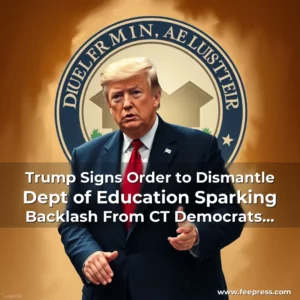
Public Service Loan Forgiveness (PSLF) is a popular program that allows many not-for-profit and government employees to have their federal student loans canceled after 10 years of payments. The Biden administration made regular announcements that it was forgiving student debt for thousands of people under various relief programs and repayment plans. However, under the Trump administration, the program has undergone significant changes. In his first few months in office, President Trump signed an executive order aimed at limiting eligibility for PSLF. The executive order targeted certain types of organizations, including those that provide legal support to immigrants, transgender and nonbinary people, and those that work to increase diversity across the private and public sector. Many nonprofits that work in these spaces may no longer be considered qualifying employers under PSLF.
Impact on Borrowers
The changes to PSLF have significant implications for borrowers who are currently working for or previously worked for an organization that the Trump administration later excludes from the program. For example, if a borrower is currently working for a qualifying organization under PSLF, they will still get credit for that time, as long as the changes to the program do not take effect until after they have completed their qualifying payments. However, if a borrower is working for an organization that is no longer considered a qualifying employer, they may not get credit for that time, even if they have already made qualifying payments. What’s Next for Borrowers?
Borrowers who are affected by the changes to PSLF should print out a copy of their payment history on StudentAid.gov or request one from their loan servicer. They should also keep a record of the number of qualifying payments they’ve made so far, as well as any documentation of their employer certifications. Other Loan Cancellation Opportunities
In addition to PSLF, federal student loan borrowers also remain entitled to a number of other student loan forgiveness opportunities. The Teacher Loan Forgiveness program offers up to $17,500 in loan cancellation to those who’ve worked full time for “complete and consecutive academic years in a low-income school or educational service agency,” among other requirements. Borrowers may also be eligible for a full discharge of their federal student loans under Borrower Defense if their school closed while they were enrolled or if they were misled by their school or didn’t receive a quality education. A Total and Permanent Disability discharge may also be available if borrowers suffer from a mental or physical disability that is severe and permanent and prevents them from working. PSLF and Income-Based Repayment
Despite the changes to PSLF, the Income-Based Repayment (IBR) program remains intact. If a borrower enrolls in IBR, their previous payments made under other repayment plans, such as Pay As You Earn or Income-Contingent Repayment, will count toward loan forgiveness under IBR, as long as they meet the IBR’s other requirements. This means that borrowers who have made payments under other plans may be able to consolidate their payments and qualify for forgiveness under IBR. Conclusion
The current status of federal student loan forgiveness opportunities under the Trump administration is complex and evolving. Borrowers who are affected by the changes to PSLF should take steps to protect their rights and ensure that they receive the benefits they are entitled to. By understanding the different loan cancellation opportunities available, borrowers can make informed decisions about their financial futures.

news is a contributor at FeePress. We are committed to providing well-researched, accurate, and valuable content to our readers.