
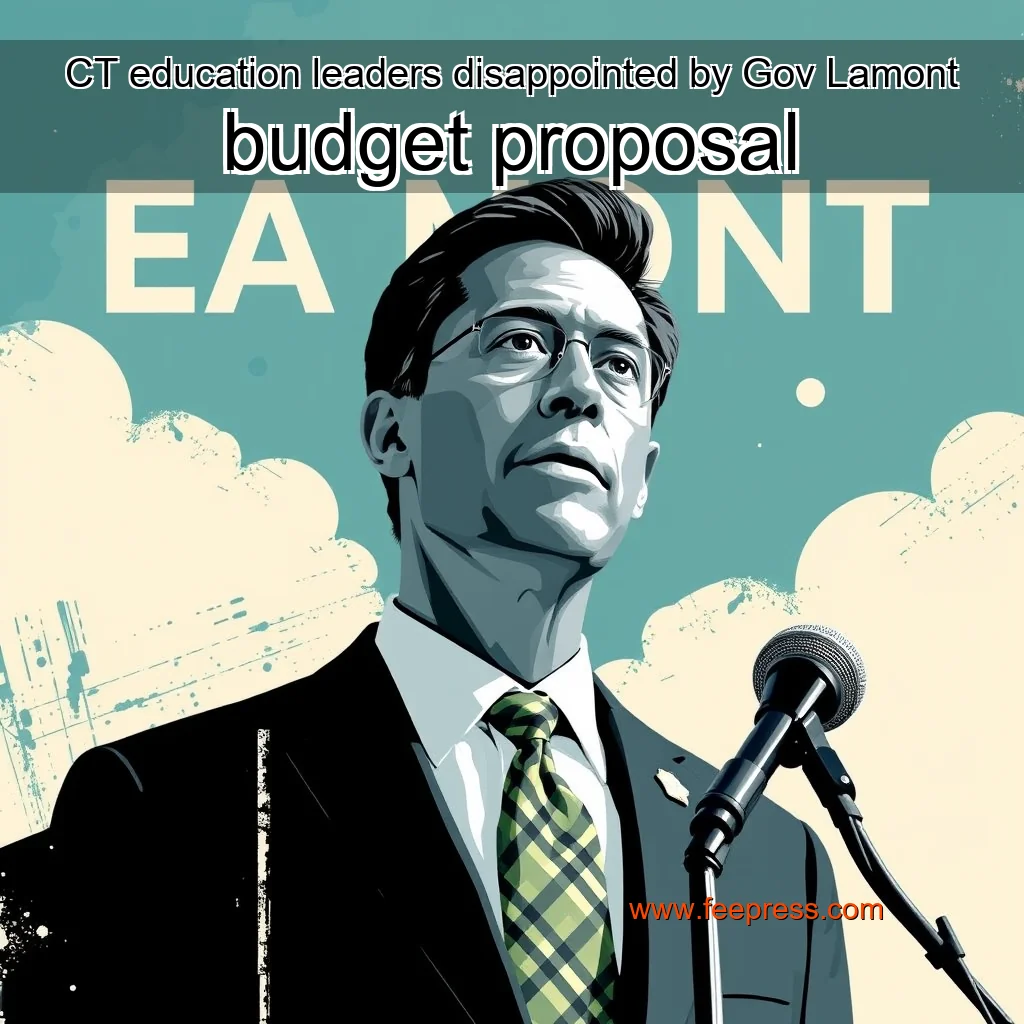
The Proposed Budget: A Mixed Bag of Increases and Cuts
The proposed budget, which is expected to be finalized in the coming weeks, includes a range of provisions that will impact various sectors of the state’s economy and society. While some increases in general operating grants and special education for K-12 schools are welcome news, the cuts to higher education institutions are a cause for concern. Key Provisions of the Proposed Budget: + Increases in general operating grants for K-12 schools + Increases in special education funding for K-12 schools + Cuts to higher education institutions + Other provisions, including tax increases and infrastructure investments
The Impact on Higher Education Institutions
The proposed budget’s cuts to higher education institutions are a significant concern for many in the state. The proposed reductions in funding will likely result in increased tuition costs, reduced course offerings, and decreased support services for students. Potential Consequences of the Cuts: + Increased tuition costs for students + Reduced course offerings and academic programs + Decreased support services for students, including mental health resources and career counseling + Potential impact on student retention and graduation rates
The Context: Why Cuts to Higher Education Matter
Cuts to higher education institutions can have far-reaching consequences for the state’s economy and society. Higher education institutions play a critical role in providing workforce development, research, and innovation, which are essential for driving economic growth and competitiveness. The Importance of Higher Education: + Workforce development: Higher education institutions provide training and education for the state’s workforce, which is critical for driving economic growth and competitiveness.
The Challenge: A Shift in Funding Priorities
The governor’s request was not a surprise, given the state’s fiscal situation. Connecticut’s budget deficit has been growing steadily since the pandemic, and the state is facing significant financial challenges. The governor’s proposal aims to address these challenges by shifting the focus from pandemic-related funding to more traditional sources of revenue. Key aspects of the challenge: + Absorb the loss of $200 million in expiring federal pandemic funding + Shift funding priorities to more traditional sources of revenue + Address the state’s growing budget deficit
The Impact on Public Colleges and Universities
The governor’s challenge has significant implications for public colleges and universities in Connecticut. These institutions have been heavily reliant on federal pandemic funding, which has helped them navigate the financial challenges posed by the pandemic.
UConn’s Storrs and satellite campuses would get $235 million next fiscal year and $240 million in 2026-27, down slightly from the $245 million in traditional state funding. And its Farmington-based health center would get $123 million and $127 million in the new budget, also down slightly from the $134 million it received this fiscal year. But there’s a huge qualifier. When asked by UConn officials for help with operating costs last spring, legislators and the governor also gave Connecticut’s flagship university almost $130 million in soon-to-expire federal funding — specifically one of the final shares of the $2.8 billion Congress granted Connecticut in 2021 through the American Rescue Plan Act.
The CSCU System: A Comprehensive Overview
The Council for Community and Technical Colleges (CSCU) is a public higher education system in the state of Connecticut. It comprises 17 community colleges and 3 technical colleges, providing a wide range of academic programs and services to its students.
CSCU is a public institution of higher education in Connecticut, and its financial mismanagement has raised concerns about the effectiveness of its governance.
The Financial Mismanagement of CSCU
The Connecticut State Colleges and Universities (CSCU) system has been embroiled in controversy over its financial mismanagement. An audit of the system’s expenses and credit card use revealed significant misspending of thousands of dollars. This financial mismanagement has raised concerns about the effectiveness of CSCU’s governance and the institution’s ability to provide quality education to its students. Key findings of the audit:
- $4 million in unauthorized credit card charges
- $1 million in unapproved expenses
- $500,000 in unaccounted-for funds
- The proposed budget allocates $54 million to special education, an increase from $40 million in the previous year. Some districts had requested an additional $90 million to cover growing costs. The proposed budget was met with criticism from some lawmakers and advocacy groups. ## The Criticism
- The Task Force’s recommendations were not fully incorporated into the proposed budget for the upcoming year. Some education stakeholders claim that the Task Force ignored several proposals from the group to Study Special Education Services and Funding. The lack of implementation raises concerns about the effectiveness of the Task Force’s recommendations in improving special education services and funding. ## The Task Force’s Recommendations*
- Increasing funding for special education services
- Improving teacher training and support for students with disabilities
- Enhancing early intervention and prevention services
- Expanding access to special education services for students with disabilities
- General Education Funding: The program provides funding for general education purposes, including teacher salaries, instructional materials, and other educational expenses.
“We’re talking about a $1.5 billion budget for the state’s 170,000 students. That’s less than $9 per student.”
The Budget: A Critical Examination
The proposed budget for the state of Connecticut has been met with criticism from various stakeholders, including Sen.
The proposed increase would bring the state’s total ECS funding to $1.3 billion.
The Current State of Education Funding in Connecticut
The state’s current ECS funding is $744 million, which is the amount allocated to schools in the state’s education budget. However, the report from the Connecticut Conference of municipalities found that the state’s schools are facing significant financial challenges. The report stated that the state’s schools are facing a $1.1 billion deficit, which is a significant increase from the $700 million deficit reported in 2020. Key findings from the report include:
- A $1 billion deficit in the state’s schools
- A $545 million funding boost is needed to address the deficit
- The proposed increase would bring the state’s total ECS funding to $3 billion
- $272 million to the five largest school districts in the state
- $273 million to smaller districts and rural areas
The financial mismanagement at CSCU is not limited to the audit findings. The institution has a history of financial mismanagement, dating back to 2019. In that year, the system’s president, Mark O’Connell, was accused of using a state-owned vehicle for personal use, resulting in thousands of dollars in unnecessary expenses.
The Need for Reimagining Workforce Training
Lamont says CSCU must “reimagine how we train our workforce for 21st century jobs.” This statement highlights the need for CSCU to adapt its workforce training programs to meet the changing demands of the modern job market.
Balancing the Books, But at What Cost to Academia?
The Challenge of Balancing Budget and Academic Freedom
UConn is facing a significant challenge in balancing its budget with the need to maintain academic freedom. The university’s associate vice president for budget, planning, and institutional research has stated that the institution is seeking to curb spending where possible. This approach is aimed at reducing the financial burden on the university, which is expected to increase in the coming years. Key areas of spending that UConn is looking to reduce include: + Salaries and benefits for faculty and staff + Operating expenses for facilities and equipment + Research funding and grants + Student financial aid and scholarships
The Impact on Academic Freedom
The reduction in spending is likely to have a significant impact on academic freedom.
The Impact of Budget Cuts on Students
The recent budget cuts at the University of Connecticut (UConn) have left students feeling anxious and uncertain about their future. The university has announced significant reductions in funding, which will affect various aspects of student life, including academic programs, extracurricular activities, and campus services. The budget cuts will result in the elimination of several academic programs, including the School of Business and the School of Engineering. The university will also reduce the number of available scholarships, making it more challenging for students to secure financial aid. Furthermore, the cuts will impact the university’s ability to provide adequate support services, such as mental health resources and academic advising.
The Human Cost of Budget Cuts
The human cost of budget cuts cannot be overstated. Students are already struggling to make ends meet, and the loss of academic programs and scholarships will only exacerbate this issue. Many students rely on these programs to gain valuable skills and experience, which can be essential for their future careers.
The proposed budget was met with criticism from some lawmakers and advocacy groups, who argued that it was insufficient.
The Budget Allocation
The proposed budget allocates $54 million to special education, which is a significant increase from the previous year’s allocation of $40 million. However, some districts had requested a much larger increase, with some estimates suggesting that an additional $90 million would be needed to cover the growing costs of special education. Key points to consider:
The Criticism
The proposed budget was met with criticism from some lawmakers and advocacy groups, who argued that it was insufficient.
The Task Force to Study Special Education Services and Funding: A Review of the Recommendations
The Task Force to Study Special Education Services and Funding, established in 2021, brought together 14 members to examine the state of special education services and funding in the United States. The group’s final report, released last month, presented a comprehensive set of recommendations aimed at improving the lives of students with disabilities. However, some education stakeholders have expressed concerns that the Task Force’s recommendations were not fully incorporated into the proposed budget for the upcoming year.
Concerns Over Implementation
The Task Force’s Recommendations
The Task Force’s final report presented a comprehensive set of recommendations aimed at improving the lives of students with disabilities. Some of the key recommendations include:
Implementation Challenges
Implementing the Task Force’s recommendations will require significant effort and resources.
The Education Cost Sharing Program: A Key Component of the State’s Education Funding
The Education Cost Sharing program is a vital component of the state’s education funding system, providing critical support to K-12 school districts across the state. With a total budget of $2.3 billion, this program is the largest operating grant to K-12 school districts in the state. The program’s funding schedule is authorized by the state legislature, and it is designed to provide a stable and predictable source of funding for schools.
Key Features of the Education Cost Sharing Program
The Impact of Funding on Student Outcomes
The proposed funding increase would have a significant impact on student outcomes in Connecticut.
The remaining half would go to smaller districts and rural areas, which were also in need of funding.
The Allocation of Funds
The $545 million in funding would be allocated as follows:
The Need for Funding
The funding is necessary to address the growing needs of the state’s schools.