The Executive Order: A Threat to Education
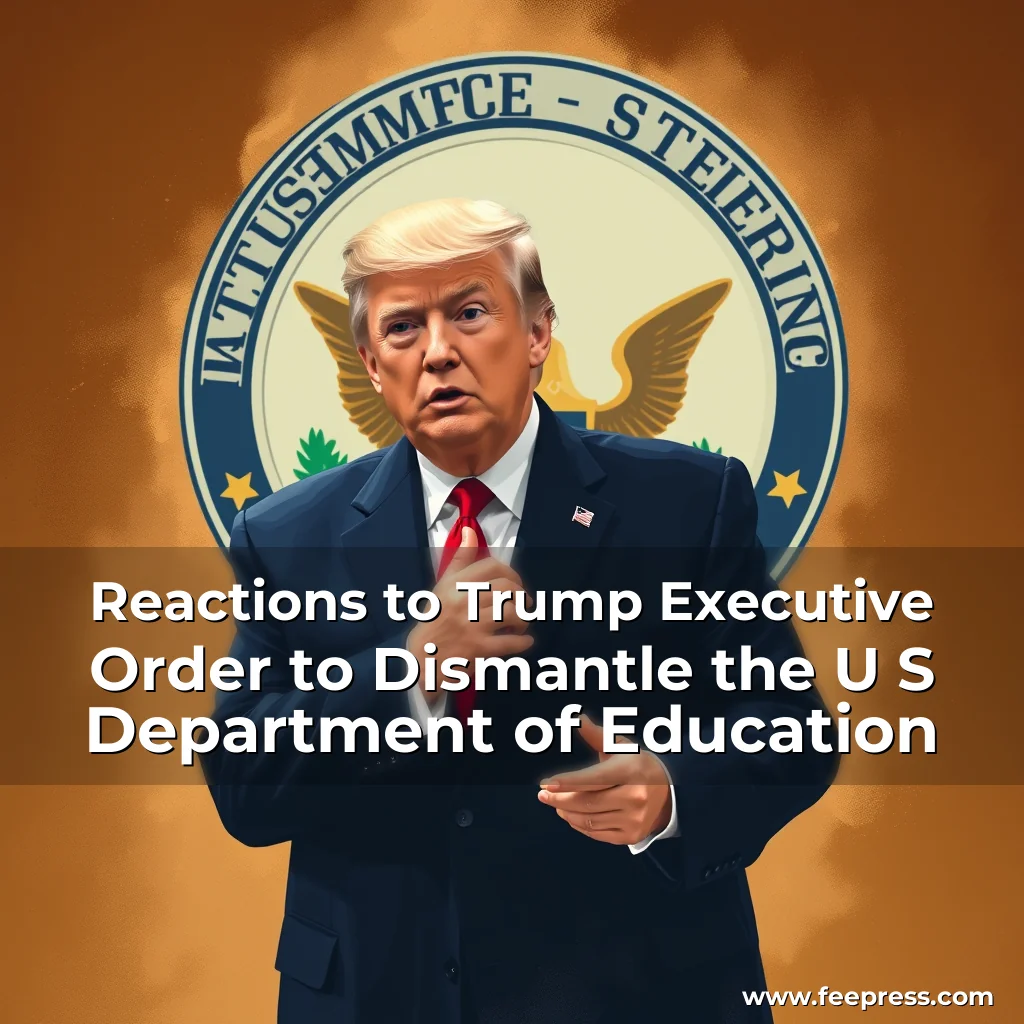
The executive order, which was signed by President Trump, aims to dismantle the Department of Education and transfer its functions to the Department of Health and Human Services. This move has sparked widespread concern among educators, policymakers, and advocacy groups, who argue that it will have far-reaching consequences for the education sector. • The Department of Education plays a critical role in shaping education policy, providing funding, and overseeing programs that support students, teachers, and schools.
Rural schools in Illinois are already struggling to stay afloat due to low enrollment and limited resources. Without the Department of Education, these schools will be left to fend for themselves, making it even more challenging for them to provide quality education to their students. The Department of Education plays a crucial role in providing federal funding to schools, which is essential for rural schools in Illinois. The federal funding helps to support the salaries of teachers, the purchase of educational materials, and the maintenance of school buildings. Without this funding, rural schools will be forced to cut back on essential services, leading to a decline in the quality of education provided to their students. The Department of Education also provides critical support to students with disabilities, including those with autism, ADHD, and other learning disabilities. The department’s programs and services help to ensure that these students receive the support they need to succeed in school and beyond. Without the Department of Education, these students will be left without the support they need, putting their future at risk. Furthermore, the Department of Education plays a vital role in promoting education reform and innovation in Illinois. The department’s initiatives and programs help to drive change and improve educational outcomes for students across the state.
We must continue to invest in our schools and our teachers to ensure that every child has access to a world-class education.”
The Importance of Education
Education is a fundamental right that is essential for the development of individuals, communities, and societies as a whole. It is the foundation upon which all other aspects of life are built, and it plays a critical role in shaping the future of our world.
For example, a study by the National Bureau of Economic Research found that high school graduates earn an average of 50% more than those without a high school diploma.
“We must prioritize our children’s education and well-being, as it will determine the future of our state and our nation.”
The Importance of Investing in Children’s Education
Investing in children’s education is a crucial aspect of a state’s economic development and social progress.
This represents 37% of the total federal funding for the state.
The allocation of federal funds will have a significant impact on student outcomes in Illinois. With increased funding, schools will be able to:
While federal funding is essential for supporting public schools in Illinois, there are challenges that must be addressed.
The Impact of Dismantling the Department of Education on Illinois Student Loan Borrowers
Dismantling the Department of Education would have far-reaching consequences for Illinois student loan borrowers.
His Executive Order is a thinly veiled attempt to undermine the independence of the judiciary and the rule of law. It is a clear and present danger to the very foundations of our democracy.”
The Executive Order: A Threat to Judicial Independence
The Executive Order, signed by President Trump, has sparked widespread concern among lawmakers and legal experts.
The Importance of K-12 Funding
The U.S. Department of Education plays a vital role in providing critical annual funding to Illinois’s K-12 schools.
$25 million to support children with disabilities and $15 million to support children in foster care. The U.S. Department of Education has announced a new initiative to provide financial support to students in need, with a focus on ensuring that all students have access to a safe and healthy learning environment.
In addition to the funding for safe and healthy students, the initiative will also provide $36 million to support children living on military bases or Native American reservations.
Key Issues in the Contract Negotiations
The contract negotiations between the Chicago Public Schools and the Chicago Teachers Union have been ongoing for several months. The main issues at stake include:
Despite the progress made, the negotiations remain challenging. The city’s budget constraints and the need to balance the budget have created tension between the two parties.
The Threat to Education
The U.S. Department of Education plays a vital role in ensuring that all students have access to quality education, regardless of their background or socio-economic status. The department’s initiatives and programs have made significant strides in promoting educational equity, improving student outcomes, and supporting educators. • The department’s Office of Civil Rights enforces federal laws that prohibit discrimination in education, ensuring that all students have equal access to educational opportunities. • The department’s Office of Special Education provides resources and support to help students with disabilities access education and reach their full potential. • The department’s Office of Federal Student Aid manages student loan programs, making higher education more affordable for millions of students.
Eliminating the Department would also have significant impacts on the economy and society as a whole.
Eliminating the Department of Education would have significant economic and social impacts on the country.
This lack of oversight will lead to a lack of accountability and a lack of transparency in the student loan system.
The Impact of Shutting Down the Department
Shutting down the Department would have severe consequences for students and families.
The Threat of the Order
The order issued by the Department of Education has sparked widespread concern among college and university leaders. The proposed rule change would require institutions to prioritize certain programs over others, potentially leading to significant disruptions in the delivery of higher education. The impact on students, faculty, and staff could be severe, with some institutions facing the possibility of closure. • Institutions may be forced to reduce services, such as online courses or research programs, in order to prioritize certain programs. • Tuition rates could increase significantly, making it difficult for students to afford higher education.
The Trump Administration has consistently demonstrated a disregard for the well-being and education of the American people. The Trump Administration’s actions are a stark reminder of the dangers of unchecked executive power and the erosion of civil liberties. The Department of Education plays a critical role in ensuring that all students have access to quality education, regardless of their background or socioeconomic status.
Constitution and the fundamental rights of all Americans. The Supreme Court’s decision to allow the Trump Administration to continue its policy of separating families at the border is a stark reminder of the administration’s disregard for human life and dignity.”
The Supreme Court’s Decision: A Blow to Human Rights
The Supreme Court’s decision to allow the Trump Administration to continue its policy of separating families at the border is a stark reminder of the administration’s disregard for human life and dignity. This policy, which has been widely criticized for its inhumane treatment of migrant families, has resulted in the separation of thousands of children from their parents, leaving many without access to basic necessities like food, shelter, and healthcare. • The policy has been met with widespread condemnation from human rights organizations, lawmakers, and the general public. • Many have argued that the policy is a clear violation of the 8th Amendment, which prohibits cruel and unusual punishment.
The organization was founded by Thurgood Marshall, a prominent civil rights lawyer, in 1940. The Legal Defense Fund is dedicated to advancing the cause of civil rights and social justice through the provision of legal services, education, and advocacy. The organization’s mission is to protect and preserve the rights of marginalized communities, including African Americans, women, and the LGBTQ+ community.
The Legal Defense Fund has a long history of working with prominent civil rights leaders, including Martin Luther King Jr. and Rosa Parks. The organization has also been involved in numerous high-profile cases, such as the landmark Brown v. Board of Education decision, which declared segregation in public schools unconstitutional.
The Importance of Public Schools
Public schools are the backbone of our society, providing a free education to millions of students across the United States. They offer a wide range of programs and services that cater to the diverse needs of students, from basic academics to extracurricular activities. These programs are essential for the development of our children, helping them to become well-rounded individuals who are equipped to succeed in life. • Academic programs: Public schools provide a comprehensive curriculum that covers a range of subjects, including math, science, language arts, and social studies. These programs are designed to prepare students for higher education and the workforce. • Extracurricular activities: Public schools offer a variety of extracurricular activities, such as sports, music, and art programs. These activities help students develop important life skills, such as teamwork, discipline, and creativity.
The Illinois Department of Education (IDEA) is responsible for overseeing the state’s education system. It is the state’s primary agency for education policy and decision-making. The agency is responsible for setting standards for student learning, developing and implementing educational programs, and ensuring that schools meet state and federal requirements.
The Illinois Department of Education plays a critical role in shaping the state’s education system.
85 percent of Illinoisans believe that the state should provide free or reduced-cost meals for all students.
The Illinois education system relies heavily on funding from the state and local governments. The state provides a significant portion of the funding, while local governments contribute a smaller amount. However, the funding can be unpredictable, and schools often face budget constraints. • Free or Reduced-Cost Meals: The state provides free or reduced-cost meals to students who qualify based on their family’s income.
“We will continue to fight for our students and our profession, but we will not be deterred by this executive order.”
The Impact of the Executive Order on Teachers and Education
The Illinois Education Association (IEA-NEA) has been vocal about the negative impact of the executive order on teachers and education. The order, which was signed by Governor J.B. Pritzker, aims to reduce the number of teachers in the state by 10% over the next two years. This move has been met with widespread criticism from educators and advocacy groups, who argue that it will lead to a shortage of teachers in certain subjects and areas of the state. • Key points to consider:
Educators across the state are expressing concerns about the impact of the executive order on their profession. Many are worried about the potential shortage of teachers in certain subjects and areas of the state, which could lead to a decline in the quality of education. Others are concerned about the potential impact on teacher morale and job security.
The loss of federal funding will also impact the nation’s rural communities, exacerbating existing social and economic disparities. The Devastating Consequences of Closing the U.S. Department of Education The U.S. Department of Education is a vital institution that plays a crucial role in shaping the nation’s education system. It provides critical funding to rural districts, which are often left with limited resources to support their students.
The lack of oversight has significant implications for the students who rely on these laws for their education and well-being. The Department of Education’s (USDE) role in enforcing key legislation is crucial for ensuring that students with disabilities receive the support they need to succeed in school. The Individuals with Disabilities Education Act (IDEA) is a landmark piece of legislation that requires schools to provide a free and appropriate public education (FAPE) to students with disabilities.
The USDE’s closure would also have significant implications for the federal government’s budget. The department’s annual budget is approximately $70 billion, which is a significant portion of the federal budget. Closing the USDE would require significant cuts to other federal programs, potentially affecting vulnerable populations such as low-income families, students, and communities of color. The USDE plays a critical role in ensuring that students from low-income backgrounds have access to affordable education. The department’s programs, such as the Pell Grant program, provide financial assistance to students who need it most. Closing the USDE would eliminate these programs, leaving students from low-income backgrounds without access to affordable education. The USDE also oversees the repayment of student loans, which can be a significant burden for many students. The department’s plans for repayment, such as income-driven repayment plans, help students manage their debt and make it more manageable.
The Importance of Education in a Democratic Society
Education is the foundation upon which a democratic society is built.