Background of the SAVE Plan
The Saving on a Valuable Education (SAVE) Plan was launched by the Biden administration in 2021 as part of a broader effort to alleviate the burden of student debt for low- and middle-income Americans. The program aimed to provide more flexible repayment options and help borrowers avoid defaulting on their loans. Under the SAVE Plan, interest would not accrue on federal student loans for up to 18 months, giving borrowers more time to find stable employment and rebuild their finances.
For borrowers who met specific income requirements, the SAVE Plan provided a more favorable repayment schedule, allowing them to pay lower monthly payments and potentially qualify for loan forgiveness. However, the program was met with criticism from some lawmakers, who argued that it was too generous and did not adequately ensure that borrowers would eventually repay their loans.
Department of Education’s Stance on the SAVE Plan
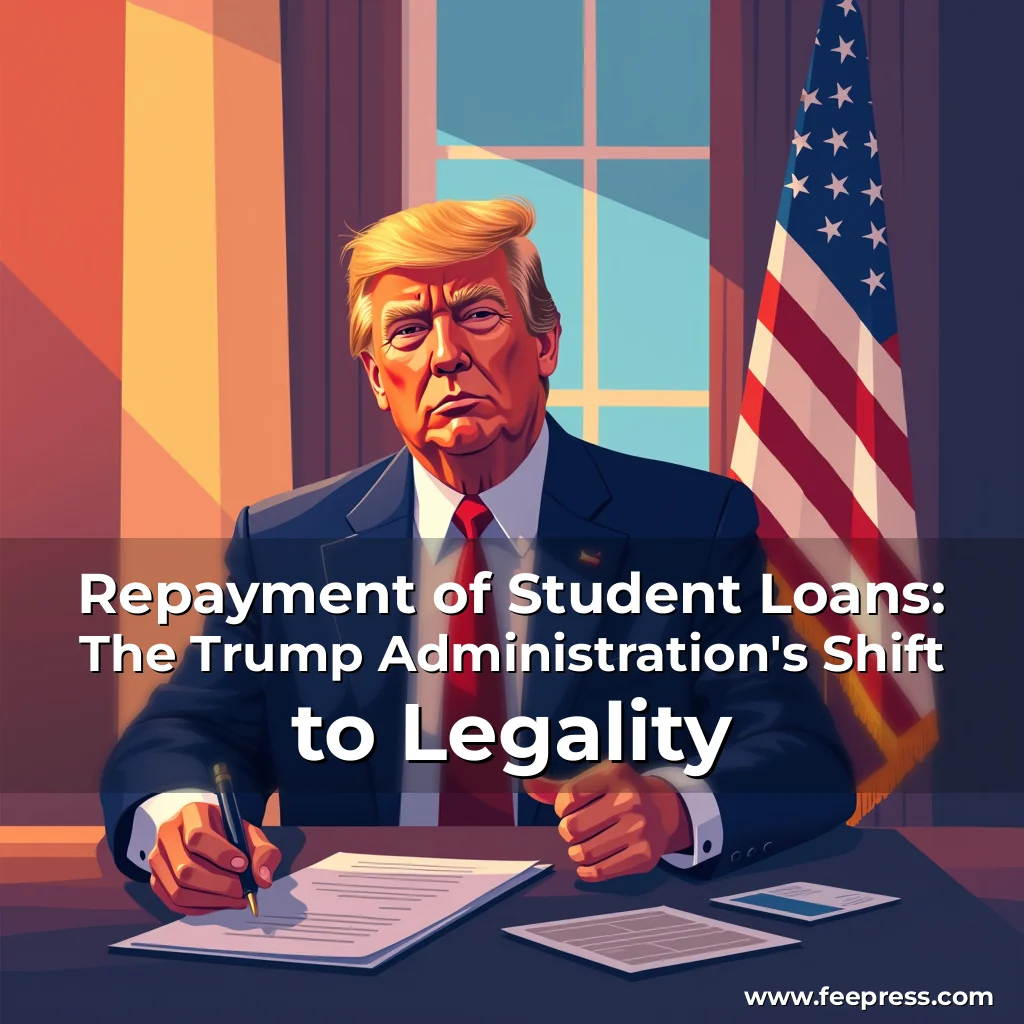
The U.S. Department of Education, under the Trump administration’s leadership, has taken a critical stance on the SAVE Plan, labeling it as an “illegal” repayment program. Education Secretary Linda McMahon has publicly denounced the program, stating that it was a political ploy rather than a lawful policy. According to McMahon, the Biden administration used “loan forgiveness” promises to win votes, but federal courts repeatedly ruled that these actions were unlawful.
- McMahon highlighted the importance of ensuring that borrowers repay their loans, emphasizing that the SAVE Plan did not adequately achieve this goal.
- The Education Secretary also noted that the Biden administration’s efforts to implement the SAVE Plan were not in line with congressional intentions, as Congress designed these programs to ensure that borrowers repay their loans.
Transition to Existing Repayment Plans
To address concerns about the SAVE Plan’s legality and ensure compliance with federal regulations, the Department of Education has announced its intention to transition borrowers to existing repayment plans, such as the Income-Based Repayment (IBR) program. This change will provide borrowers with more options for managing their debt and ensure that they are held accountable for repaying their loans.
- Starting Thursday, the Department of Education will begin outreach efforts to inform nearly 7.7 million borrowers enrolled in SAVE about their options.
- These efforts will include step-by-step guidance on switching to eligible repayment plans, such as IBR, Pay As You Earn (PAYE), or Income-Contingent Repayment (ICR).
- Borrowers who previously applied for these programs will not need to reapply.
Impact on Borrowers
The transition to existing repayment plans will have a significant impact on borrowers, particularly those who were previously enrolled in the SAVE Plan. According to the Department of Education, borrowers will not be eligible for federal benefits or progress toward debt discharge under congressional programs if they remain in the SAVE Plan.
However, borrowers who are willing to make the transition to existing repayment plans will be able to take advantage of more favorable repayment options and potentially qualify for loan forgiveness. For example, the IBR program offers a lower monthly payment amount and a longer repayment period, making it more manageable for borrowers with limited financial resources.
Examples of Borrowers Who Will Benefit from the Transition
Some borrowers may benefit from the transition to existing repayment plans, such as those who:
• Have a stable income and are able to make timely payments. • Are seeking a more flexible repayment schedule. • Want to take advantage of loan forgiveness options.
For instance, a borrower who earns $50,000 per year and has a federal student loan balance of $30,000 may find the IBR program more suitable. Under the IBR program, their monthly payment would be approximately $250, compared to the $400 monthly payment they would have made under the SAVE Plan.
Conclusion
The Trump administration’s shift to a more legally compliant approach to student loan repayment is a significant development in the ongoing debate about the best way to manage student debt. As the Department of Education begins its outreach efforts to inform borrowers about their options, it is essential for borrowers to take an active role in managing their debt and making informed decisions about their repayment plans. By understanding the implications of the SAVE Plan’s transition and the benefits of existing repayment plans, borrowers can take control of their financial futures and make progress toward debt discharge.