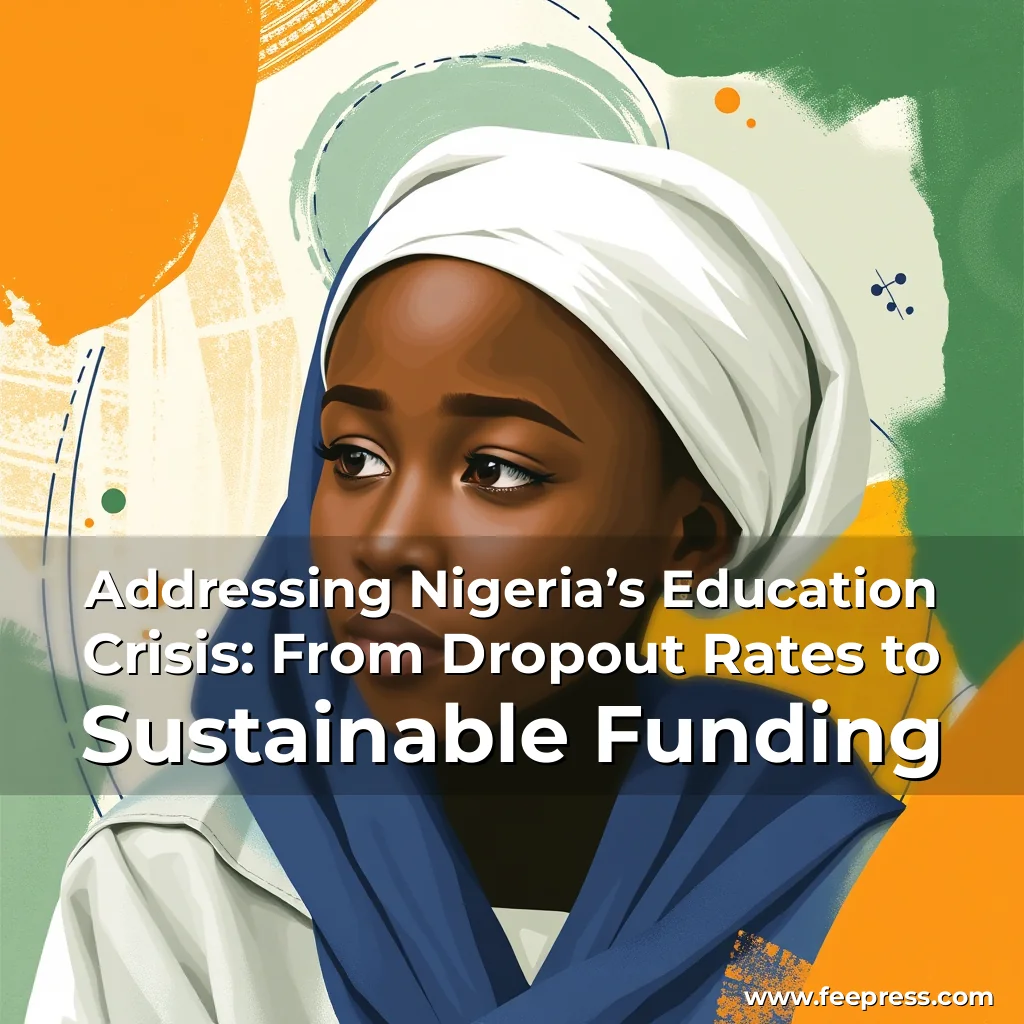
The impact of increased tuition fees on students cannot be overstated. My personal experience as an undergraduate student in Nigeria witnessed firsthand the devastating effects of such hikes on students. In this article, we will delve into the causes of student dropouts in Nigeria’s tertiary institutions and explore potential solutions to this pressing issue.
The Causes of Student Dropouts
Financial instability is a major contributor to student dropouts. With the 2024 Nigerian federal government budget allocation of ₦1.54 trillion for the education sector, representing 6.39 percent of the total budget, it is clear that the government is not allocating sufficient funds to the sector.
Financial instability, coupled with other identified reasons such as mental health challenges and work-life balance issues, contributes to student dropouts in the US and Nigeria alike.
The education sector plays a vital role in shaping the calibre of human capital released into the country’s labour market, hence prioritizing financing is essential for quality education.
Current State of Education Funding
Federal Budget Allocation
Nigerian Federal Government Budget Allocation for Education (2024)
Percentage of Total Budget
6.39%
Actual Allocation
₦1.54 trillion
Although the federal government allocated a significant amount to the education sector, it falls short of the 20% recommended by UNICEF.
Some tertiary institutions have responded to this inadequate funding by increasing their internally generated revenue through tuition fee hikes.
Measures to Address Dropout Rates
Increasing federal government funding allocation to at least 20% of the annual budget would significantly impact the education sector and reduce hardship on students.
Implementing scholarships and financial aid programs would help bridge the gap for indigent students and enable them to access quality education.
Establishing a National Scholarship Board
The Nigerian government should strengthen its existing scholarship board, the Federal Scholarship Board (FSB), by setting aside a specific budget for scholarship programs.
Key Recommendations
Establishing a national scholarship board to coordinate scholarship programs across the country.
Partnering with financial institutions to facilitate secure transactions.
Creating a payment system to ensure timely and transparent disbursement of funds.
Conducting needs assessments to identify eligible students.
Establishing clear eligibility criteria, considering factors such as academic performance, financial need, and community service.
Implementation Strategies
Securing long-term funding commitments from private sector partners and international organisations.
Exploring alternative funding sources, such as public-private partnerships, crowdfunding, endowment funds, and social impact bonds.
Conclusion
Addressing Nigeria’s education crisis requires decisive action from the government. By implementing these recommendations, dropout rates can be reduced, and more young people can have access to quality education. It’s time for the government to take action to address this pressing issue and ensure a brighter future for our nation’s youth.
Damilola Akinyemi is a seasoned legal practitioner and researcher with a passion for education.
We use cookies to enhance your experience, serve personalized ads through Google AdSense, and analyze site traffic.
By clicking "Accept," you consent to our use of cookies. Learn more in our
Cookie Policy and
Privacy Policy.